
what I read last week
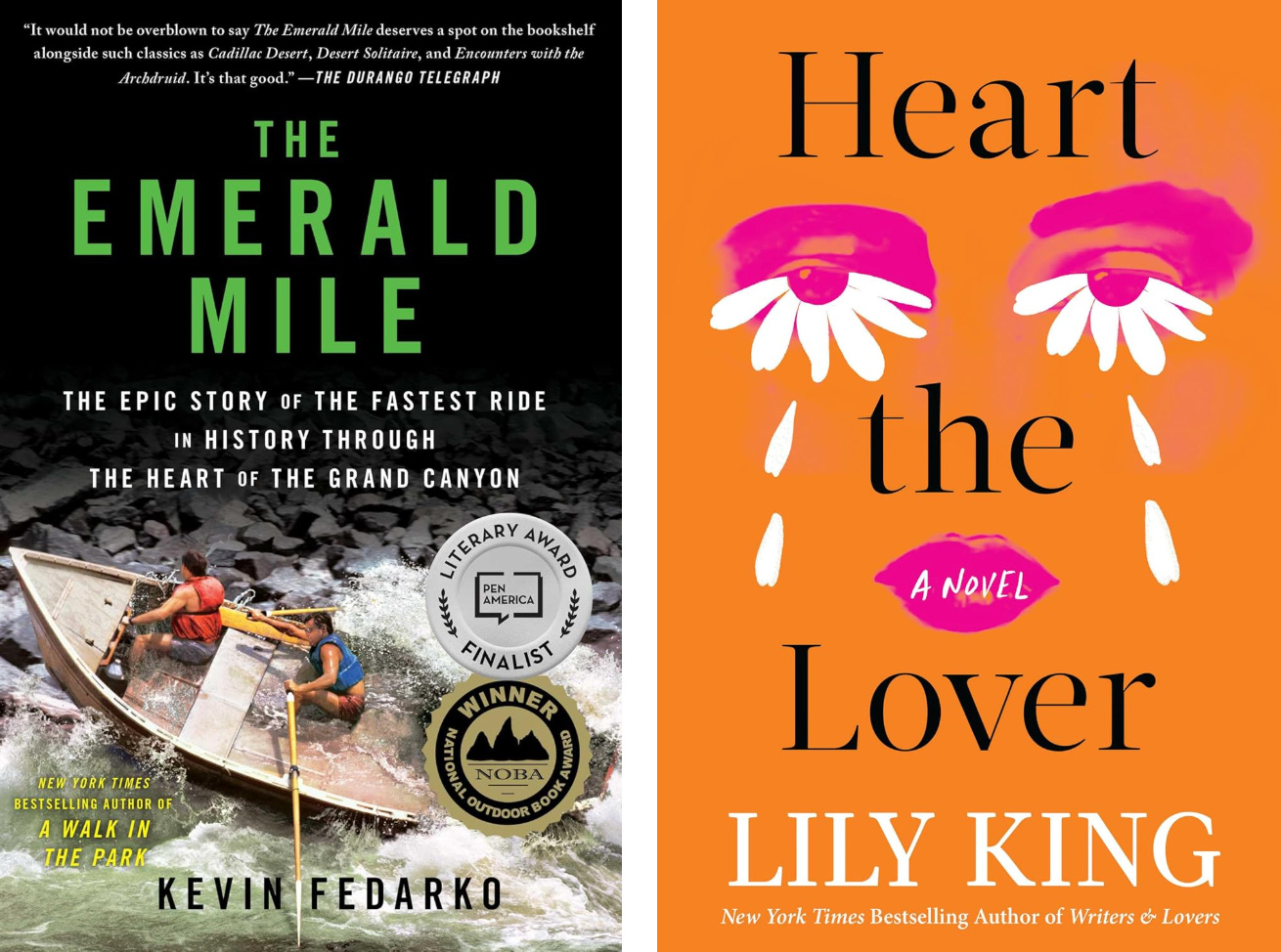
the emerald mile by kevin fedarko, heart of the lover by lily king

Good evening!
After spending last week traveling and then fighting off a cold, I’m back with two strong reads. We’re just a few days into the month, but I feel like I could just stop now and have these be my October picks.
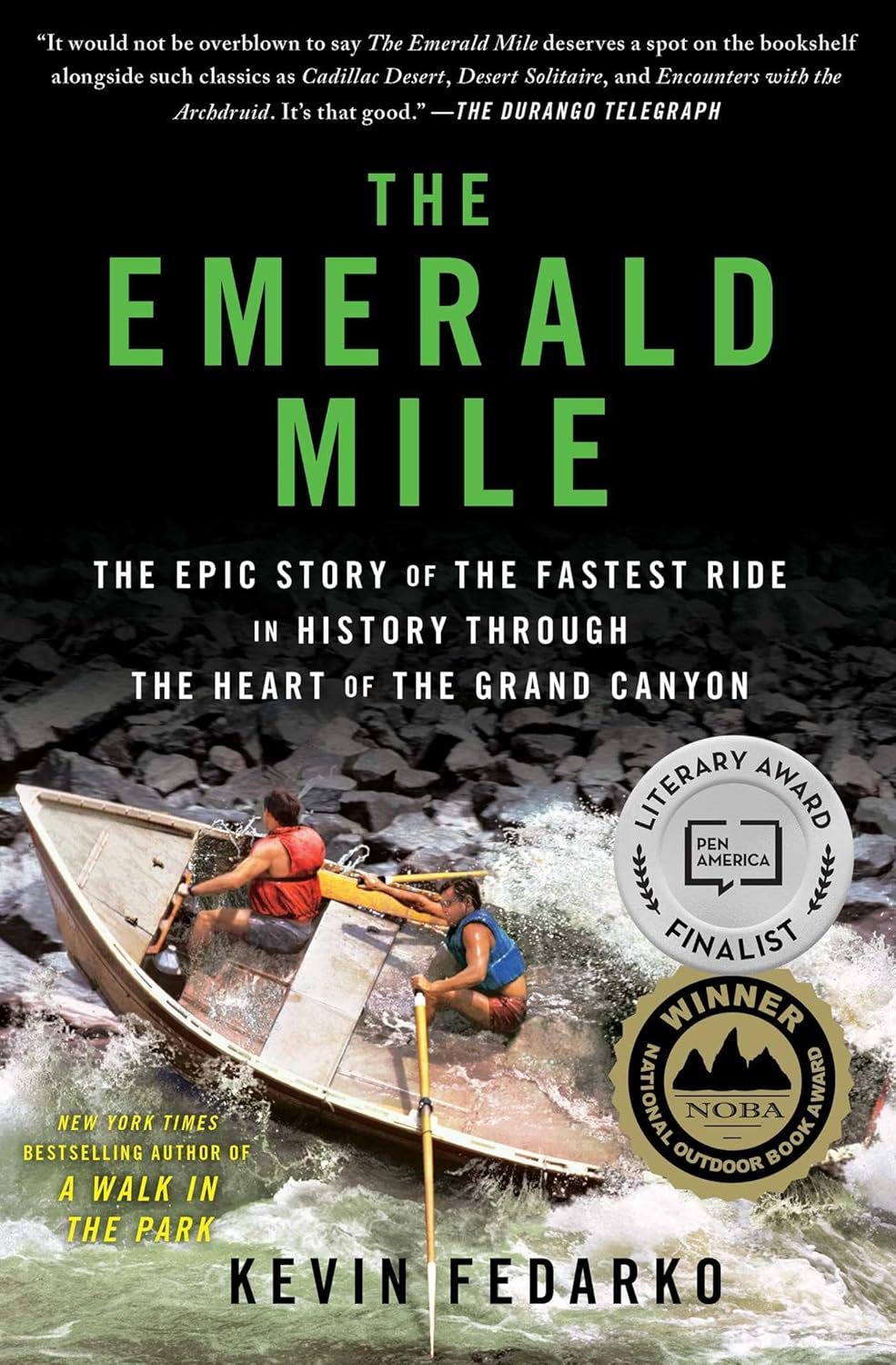
The Emerald Mile by Kevin Fedarko is an engrossing narrative nonfiction book about the fastest boat ride through the Grand Canyon during the 1983 flood. Fedarko writes beautifully and weaves in the history of the Colorado River.
Heart the Lover by Lily King is a fiction novel that focuses on a transformative college love triangle that haunts the narrator decades later. King is no stranger to a literary love triangle. She wrote about a love triangle amongst anthropologists in 1930s Papua New Guinea in Euphoria and amongst writers in 1990s Boston in Writers and Lovers. Heart the Lover is a meditation on how early relationships continue to shape us.
Let’s get into it.
read📖→
The Emerald Mile: The Epic Story of the Fastest Ride in History Through the Heart of the Grand Canyon by Kevin Fedarko
Overview: Fedarko chronicles the long history of the river before turning to river rafting. The Emerald Mile opens with the broader history of the Colorado River, tracing the geology of the canyon and the history of the Native Puebloans, Hualapai, Paiute, Havasupai, and other tribes who settled near the river before abandoning it in the twelfth century. The Spanish conquistador Don Garcia López de Cárdenas happened upon the river in fall of 1540.
In 1869, John Wesley Powell, a one-armed Civil War veteran, led the first recorded navigation of the 277-mile stretch of the Colorado River that cuts through the Grand Canyon. Rafting became popular in the 1960s and 1970s. Fedarko also details the contentious construction of dams along the Colorado River, including the Glen Canyon Dam, and the ongoing environmental debates surrounding the river’s management.
About halfway through the book, Fedarko finally turns to the 1983 run. 1983 witnessed the most significant El Niño on record. The storms and snowmelt from a heavy winter caused massive flooding. Taking advantage of the elevated water levels, a group of three professional river guides (Kenton Grua, Rudi Petschek, and Steve Reynolds) rowed the river in a wooden dory called the Emerald Mile. Kenton Grua, an eccentric guide who in the 1970s became the first known person to walk the length of the Grand Canyon, led the group.
Opinion: While I love narrative nonfiction books, I admittedly have not read many modern books on expeditions, apart from works by John Krakauer. I didn’t recognize any of the titles mentioned in a blurb on the book’s cover. I’m glad I finally tried more of this genre.
The Emerald Mile is an ambitious work that successfully weaves together adventure narrative, environmental history, and natural history into a compelling whole. Fedarko’s passion for the Grand Canyon is evident on every page, and his meticulous research creates a vivid portrait of both the 1983 speed run and the broader context of the Colorado River’s tumultuous relationship with human intervention.
Fedarko deftly manages multiple timelines and narratives, making them all feel urgent. He moves seamlessly between Kenton Grua’s death-defying speed attempt, the engineers’ desperate efforts to prevent dam failure, and the historical context of John Wesley Powell’s explorations.
Fedarko writes beautifully about the river itself, capturing both its raw power and fragile ecology in rich descriptive language. Take his characterization of one of Powell’s expeditions:
From the moment they entered the Grand Canyon, the walls rose higher, the space between them narrowed, and the scale of everything shifted. By the end of that first day, several new layers of limestone and sandstone had pushed out of the shoreline next to the river and shouldered the rimrock a quarter of a mile into the sky. As each stratum stepped back from the next in a stairlike progression, the entire ensemble began to take on the contours of a giant wedding cake of rock. By the third day, the walls displayed a horizontally banded palette of some half a dozen colors that ranged from tawny gold to deep maroon and, later, a rose-petal pastel that seemed to smolder with an inner fire, as if it bore the reflected glare of a furnace deep inside the earth.
However, the book’s comprehensiveness might also be its weakness. At nearly 400 pages, Fedarko follows countless historical tangents on dam engineering and river management policy. I personally had no issue with these potentially extraneous details, as I found them fascinating. Nevertheless, these asides slow the momentum of the central narrative (and it takes more than 200 pages for the primary story to really start). Readers looking for a straightforward adventure story might be a little bored by some parts of this book.
Overall: That said, for those willing to invest in a deep dive, The Emerald Mile delivers both thrilling storytelling and genuine insight into one of America’s most contested landscapes.
Rating: 4/5
Genre: Narrative Nonfiction (Expeditions/Adventures)
Page count: 432 pages
Audio: 17 hours 40 minutes
Heart of the Lover by Lily King
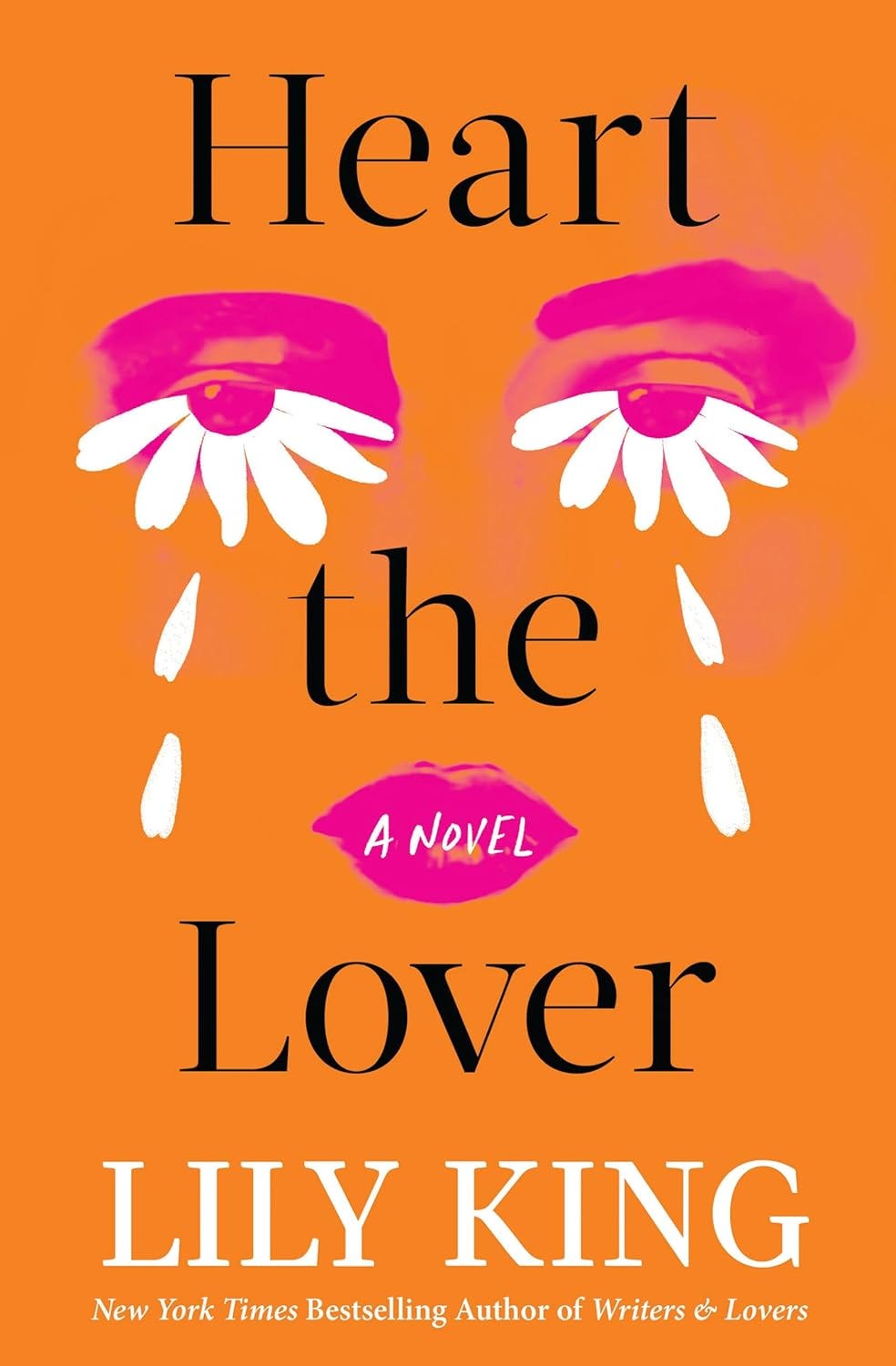
Overview: Heart the Lover follows a woman, known as Jordan, as she reflects on two transformative relationships from her college years that continue to haunt her decades later.
During her senior year in the 1980s, Jordan met two brilliant classmates, Sam and Yash, in her seventeenth-century literature course. What begins as an intense friendship quickly evolves into a complicated love triangle.
The novel moves between the 1980s college setting and the present day, exploring how this formative relationship shaped her life. King examines the lingering impact of unfinished relationships and the paths not taken.
Opinion: Lily King is the queen of literary love triangles. Like Euphoria and Writers and Lovers, Heart the Lover is well executed. A lesser writer might take hundreds of pages to tell this story, but King keeps this to a tight 256 pages. She knows when to linger (a first date takes up many pages) and when to keep things brief. She crafts realistic dialogue and writes gorgeously.
The dual timeline structure works well, allowing her to explore both the immediacy of young love and the long shadow it casts across a lifetime. King is able to write convincingly as both Jordan, the college student, and Jordan in middle age.
This novel is quieter and more character-driven; it doesn’t have the same dramatic stakes as Euphoria. Some readers might be annoyed by these characters; they have esoteric interests and are constantly talking about James Joyce. Additionally, there is a bit of narrative whiplash as King breezes through these characters’ lives (and their traumas) before they finally meet again.
Overall: Nevertheless, Heart the Lover is a thoughtful meditation on first love and a beautifully written novel for fans of King or books like Normal People.
Rating: 4/5
Genre: Literary Fiction
Page count: 256 pages
Audio: 5 hours 52 minutes
Movie/TV pairings: Normal People
consumed 🎬🎧🗞️→

The new Taylor Swift album is out! I’m usually a fan, but I am not into this one. For those of you in the loop: Why did she have to go after Charli!?

I just got Tim Berners-Lee’s book and can’t wait to read it!
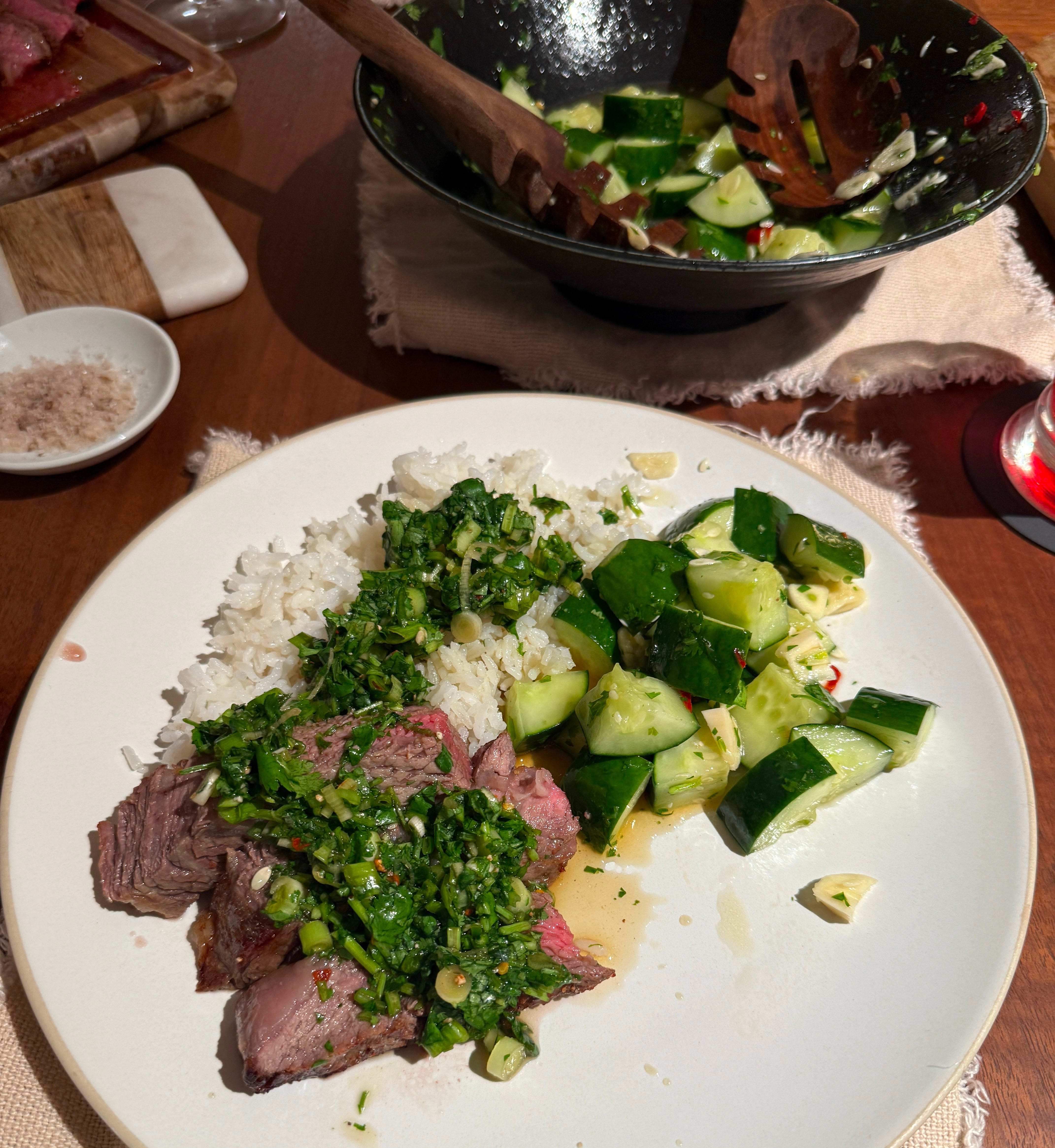
cooked 🍳→

favorite reads (so far) of 2025📚→
January: Small Things Like These by Claire Keegan (fiction); Hero of the Empire by Candice Millard (nonfiction)
February: Piranesi by Susanna Clarke (fiction); River of the Gods by Candice Millard (nonfiction)
March: The Secret History by Donna Tartt (fiction); Patriot by Alexei Navalny (nonfiction)
April: Prophet Song by Paul Lynch (fiction); Save Me the Plums: My Gourmet Memoir by Ruth Reichl (nonfiction)
May: The Lost Daughter by Elena Ferrante, translated from Italian by Ann Goldstein (fiction) Just Kids by Patti Smith (nonfiction)
June: Perfection by Vincenzo Latronico, translated from Italian by Sophie Hughes (fiction); Ghost Soldiers by Hampton Sides (nonfiction)
July: Moon Tiger by Penelope Lively (fiction); Emperor of Rome by Mary Beard (nonfiction)
August: Shuggie Bain by Douglas Stuart (fiction); All the Beauty in the World by Patrick Bringley (nonfiction)
September: Frankenstein by Mary Shelley (fiction); The White Darkness by David Grann (nonfiction)